Table of Contents
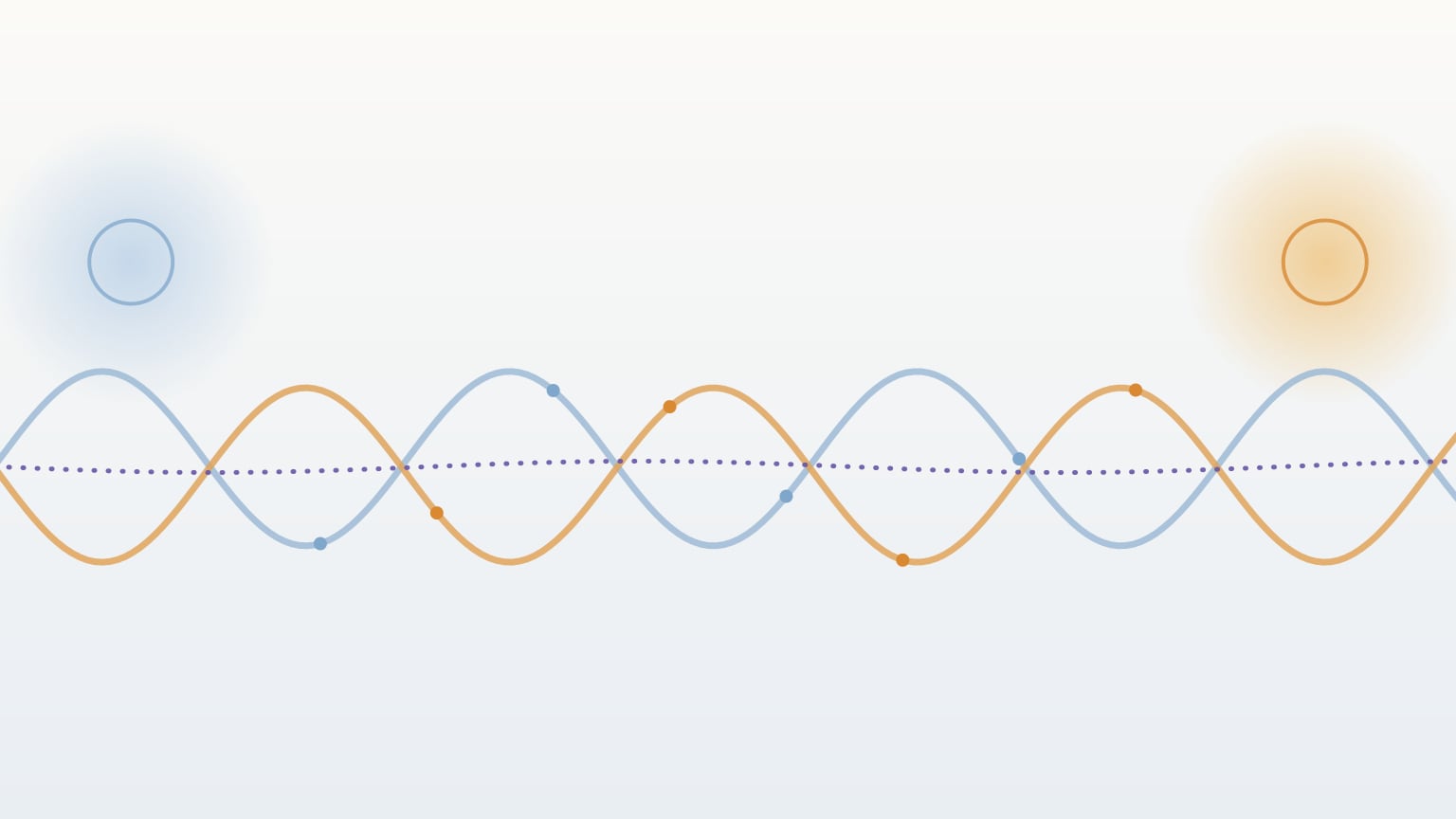
In the classical anatomy of Hatha Yoga, the human body is animated by a network of 72,000 subtle energy channels known as nāḍīs. Among these, three primary channels govern all physical vitality, mental states, and meditative absorption:
- Iḍā Nāḍī: The lunar, cooling, intuitive channel originating on the left side.
- Piṅgalā Nāḍī: The solar, heating, dynamic channel originating on the right side.
- Suṣumnā Nāḍī: The neutral central column running directly through the spinal axis and piercing the seven chakras.
“When the nadis are purified through consistent pranayama, prana readily enters the mouth of the Sushumna channel, and the mind becomes effortlessly steady.”
The Mechanism of Nāḍī Śodhana (Alternate Nostril Breathing)
Nāḍī Śodhana (śodhana meaning “purification” or “cleansing”) is the foundational breathwork discipline designed to equilibrate the sympathetic and parasympathetic branches of the autonomic nervous system.
4-Step Daily Protocol
- Hand Posture (Viṣṇu Mudrā): Fold the index and middle fingers into the palm of the right hand, keeping the thumb and ring finger extended.
- Inhale Left (Ida): Close the right nostril with the thumb. Inhale smoothly through the left nostril for 4 seconds.
- Exhale Right (Pingala): Close the left nostril with the ring finger. Release the thumb and exhale smoothly through the right nostril for 4 seconds.
- Inhale Right $\rightarrow$ Exhale Left: Inhale through the right nostril for 4 seconds, then switch and exhale through the left nostril for 4 seconds.
Repeat this cycle for 10 complete rounds, maintaining relaxed shoulders and effortless rhythm.
Frequently Asked Questions
What is the difference between Ida and Pingala nadis?
Ida nadi (left nostril) corresponds to the cooling, parasympathetic, introspective lunar current. Pingala nadi (right nostril) corresponds to the heating, sympathetic, active solar current.
When is the best time to practice Nadi Shodhana?
Early morning at sunrise (Brahmamuhurta) or evening at twilight before meditation on an empty stomach.
Our editorial collective brings together traditional Sanskrit scholars, experienced yoga practitioners, and contemporary researchers dedicated to preserving authentic teachings.